
Unlocking Umami: How Seaweed Transforms Flavors in Culinary Creations
Seaweed has long been a staple in coastal cuisines, but its role goes far beyond tradition. This marine ingredient is a powerful flavor enhancer that brings a unique depth to dishes through its rich umami taste. Understanding how seaweed works in food can open new doors for companies eager to elevate their products naturally and creatively.
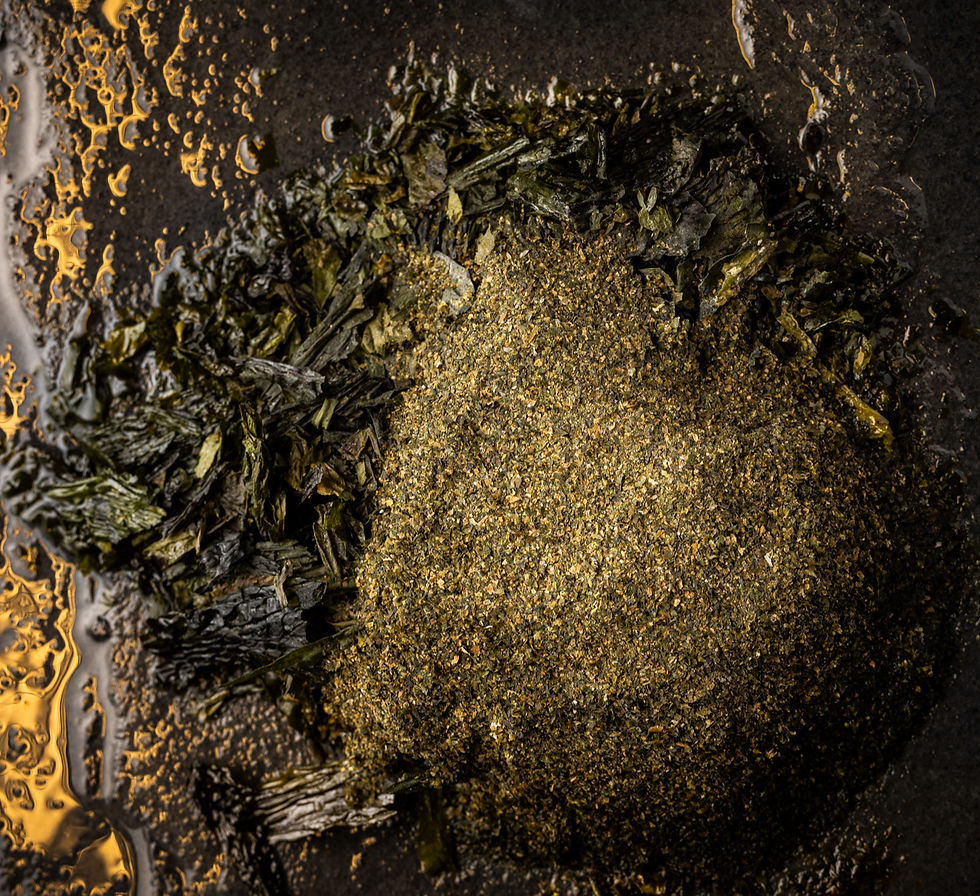
What Makes Seaweed a Natural Flavor Booster
Seaweed contains glutamates, compounds responsible for umami—the savory taste often described as the fifth basic flavor alongside sweet, sour, salty, and bitter. This natural glutamate content means seaweed can enhance the flavor profile of many dishes without adding salt or artificial additives.
Different types of seaweed offer varying intensities of umami. Our Winged Kelp and Sugar Kelp offers a mild flavor that is great to boost umami.
Using seaweed as a flavor enhancer means you can reduce sodium levels while maintaining a satisfying taste, making it a healthier option for seasoning.
Practical Ways to Use Seaweed
Incorporating seaweed into your products can be simple and rewarding. Here are some practical methods:
Broths and Stocks: Add brown seaweed to simmering water to create a rich, umami-packed base for soups and stews.
Seasoning Powders: Use dried seaweed to sprinkle over roasted vegetables, popcorn, or grilled meats.
Salads and Dressings: Rehydrate dried seaweed and toss it with fresh greens or blend it into dressings for a subtle savory boost.
Rice and Grain Dishes: Mix small pieces of dried seaweed into cooked rice or quinoa for added flavor and texture.
Marinades: Infuse marinades with seaweed or soaked seaweed to tenderize and flavor proteins naturally.
Experimenting with these techniques can help you discover how seaweed enhances flavors without overpowering the dish.
Seaweed’s Role in Global Cuisines
Seaweed’s umami qualities have been embraced worldwide, especially in East Asian cooking. Japanese cuisine uses kombu and bonito flakes to create dashi, a foundational broth that supports countless dishes. Korean cuisine features seaweed soups (miyeok-guk) that are both nutritious and flavorful. In coastal European regions, seaweed is gaining popularity as a seasoning and ingredient in artisanal products.
This global use highlights seaweed’s versatility and its ability to complement a wide range of ingredients, from seafood to vegetables and even meats.
Health Benefits That Complement Flavor
Beyond taste, seaweed offers nutritional benefits that make it an attractive addition to meals:
High in iodine, supporting thyroid function.
Contains vitamins A, C, E, and K.
Provides minerals like calcium, magnesium, and iron.
Rich in antioxidants and dietary fiber.
These health aspects add value to seaweed’s role in cooking, making it a flavorful and nourishing choice.
Tips for Selecting and Storing Seaweed
To get the best flavor and quality:
Choose reputable sources to avoid contamination.
Opt for dried seaweed for longer shelf life and convenience.
Store in airtight containers away from moisture and light.
Proper handling preserves the delicate flavors and ensures your dishes benefit fully from seaweed’s umami.


